

My Fresh Bread Kept Getting Moldy Until I Learned These Tricks
There are few things more aggravating than bringing home a beautiful loaf of fresh bread, enjoying a couple of slices, and then discovering fuzzy spots before you have even made it halfway through the loaf.
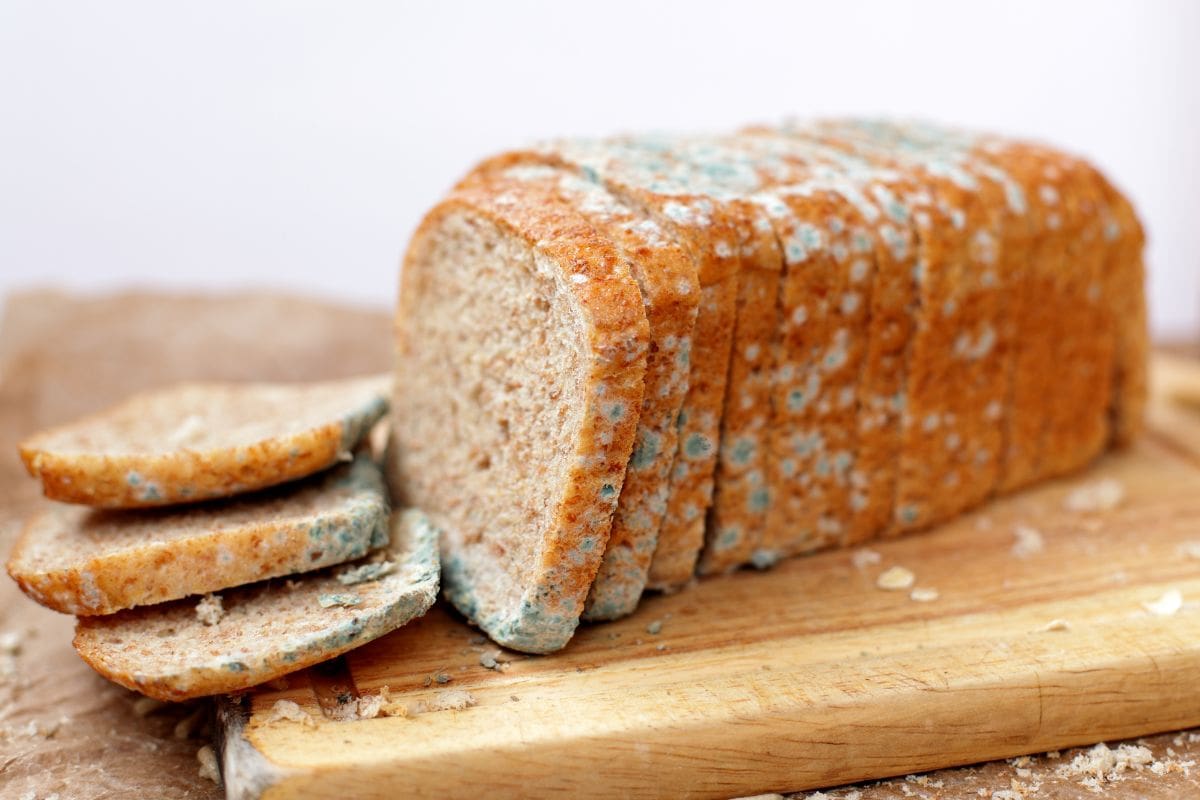
I used to think the solution was simple. Wrap it up tightly so the bread stays soft.
As it turns out, keeping fresh bread soft and keeping it from molding or going stale are not exactly the same thing. Once I understood what bread actually needs, I started storing it very differently.
That Plastic Bag May Not Be Helping
Plastic seems like the obvious choice because it keeps air away from the bread and prevents it from drying out. The problem is that it also holds moisture close to the loaf.
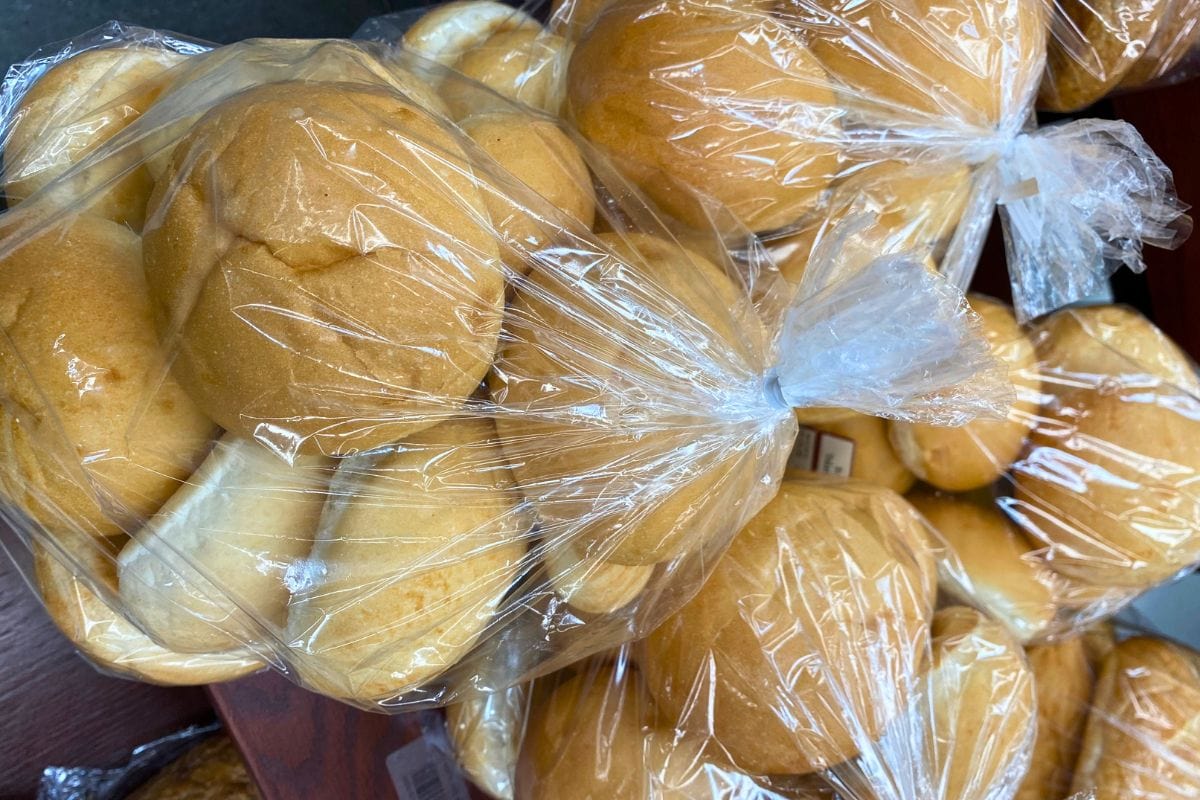
For crusty bakery style breads, that trapped moisture can quickly soften the crust. In a warm or humid kitchen, excess moisture is also the last thing you want hanging around your loaf.
That is one reason you often see artisan breads sold in paper rather than sealed tightly in plastic.
There is an important exception, though. Soft sandwich bread is supposed to have a tender crust and crumb, so storing that type of bread in plastic makes more sense.
According to Martha Stewart’s guide to storing homemade bread, breathable options such as a bread box, wax paper, a beeswax and linen bag, or even a clean dish towel can work well for homemade bread.
So plastic is not automatically bad. You simply need to think about what kind of bread you are trying to protect.
I Was Cutting More Bread Than I Needed
This one was surprisingly simple.
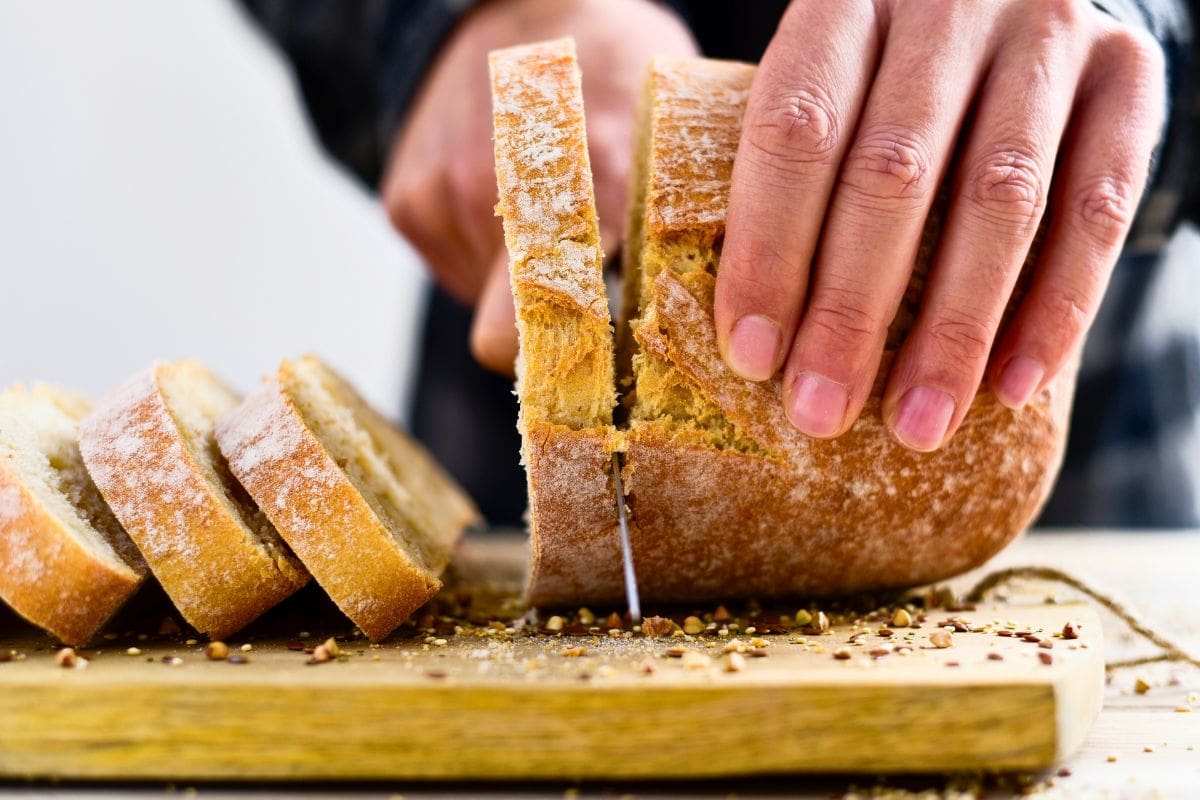
Every time you slice into a loaf, you expose more of the soft interior to air. That means the bread can lose moisture faster and become stale sooner.
Instead of slicing an entire fresh loaf at once, cut only what you plan to eat.
Experts quoted in Martha Stewart’s homemade bread storage guide also recommend leaving the loaf unsliced and cutting only what you need for a meal.
If you have already cut into a crusty loaf, keep the exposed side protected. Setting the loaf cut side down on a clean cutting board can work if you expect to finish it fairly quickly.
It is a tiny change, but it can make a noticeable difference.
The Refrigerator Seems Smart, But There’s a Catch
This is probably the storage mistake that surprised me most.
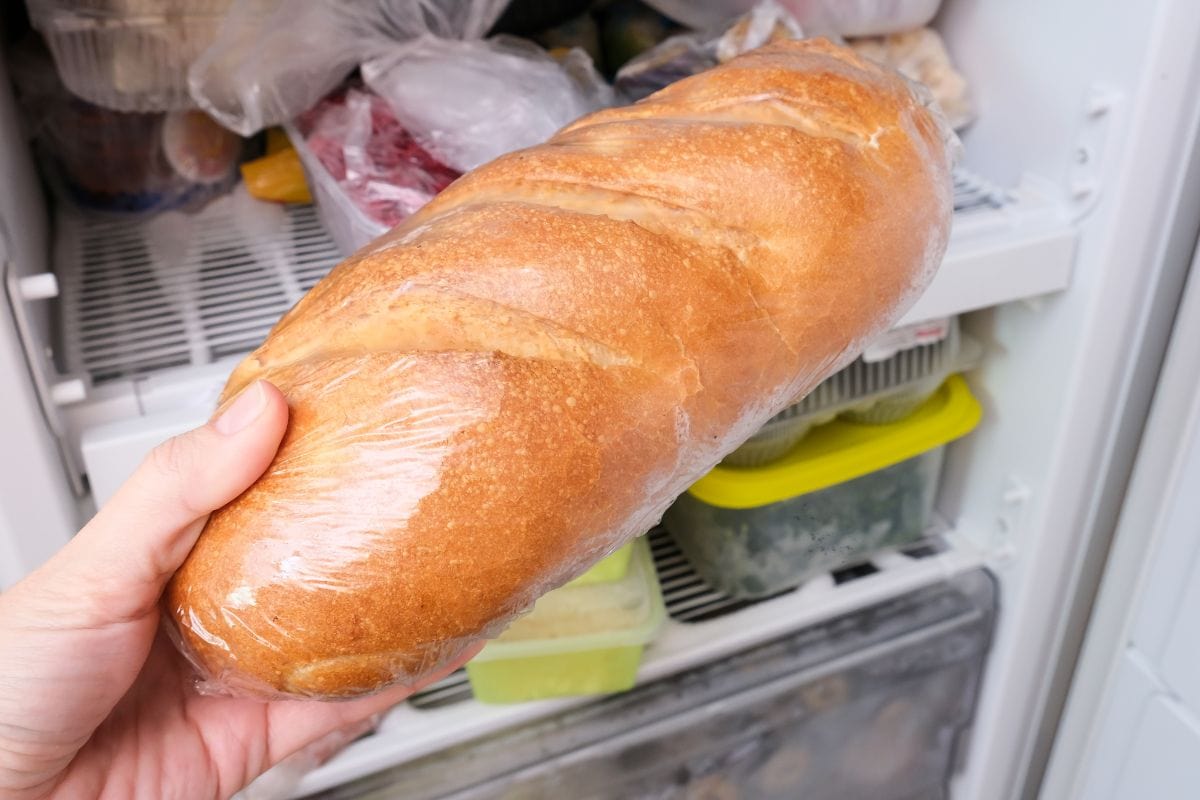
We refrigerate practically everything when we want it to last longer, so putting bread in the refrigerator sounds completely reasonable.
Unfortunately, refrigeration speeds up the process that makes bread taste stale.
Food scientist Bryan Quoc Le told Martha Stewart that refrigerator temperatures encourage a process called retrogradation, where the starches in bread become more crystalline. The result is bread that becomes harder and tastes stale more quickly.
In plain English, the refrigerator can keep mold away longer while making your bread go stale faster.
That does not mean refrigeration is absolutely forbidden. If your kitchen is extremely hot and humid and bread is molding almost immediately, refrigeration may sometimes be the lesser of two evils, especially if you plan to toast the bread.
But for bread you want to enjoy fresh, the freezer is usually the better long term choice.
The Freezer Is Where I Put Bread I Can’t Finish
Once I know we are not going to finish a loaf within a few days, I stop trying to stretch its counter life.
I freeze it.
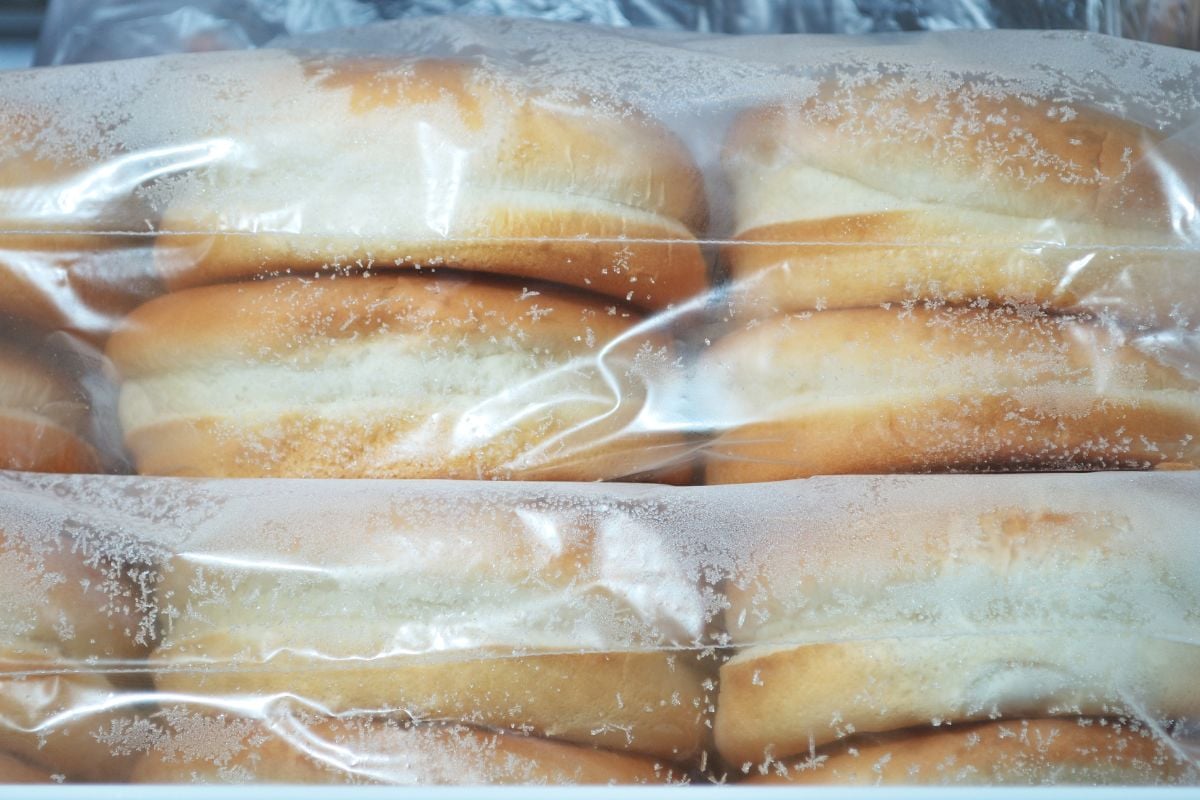
For convenience, slice the bread into portions before freezing so you do not have to thaw an entire loaf just because you want one piece of toast.
Wrap the portions well and place them in an airtight freezer container or bag. Good wrapping matters because exposure to air in the freezer can dry bread out and contribute to freezer burn.
According to Martha Stewart, homemade bread that will not be eaten within a few days can be frozen, and food scientist Bryan Quoc Le says it can keep for up to about three months in the freezer.
I especially like freezing individual slices because you can take one or two straight from the freezer and toast them.
No racing against the mold clock required.
A Hard Loaf Isn’t Necessarily Finished
There is also a difference between bread that has gone stale and bread that has spoiled.
If bread is simply starting to get firm, you may be able to bring some life back to it.
For a crusty loaf, lightly spritzing the outside with water and warming it in the oven can help refresh the crust and soften the interior.
But mold is a completely different story. If mold has appeared on bread, I would not try trimming away the visible portion and eating the rest. Bread is porous, so mold can spread beneath the surface where you cannot see it.
That loaf needs to go.
And Stale Bread Might Actually Be Useful
If your bread has simply dried out and there is no mold, do not be too quick to toss it.
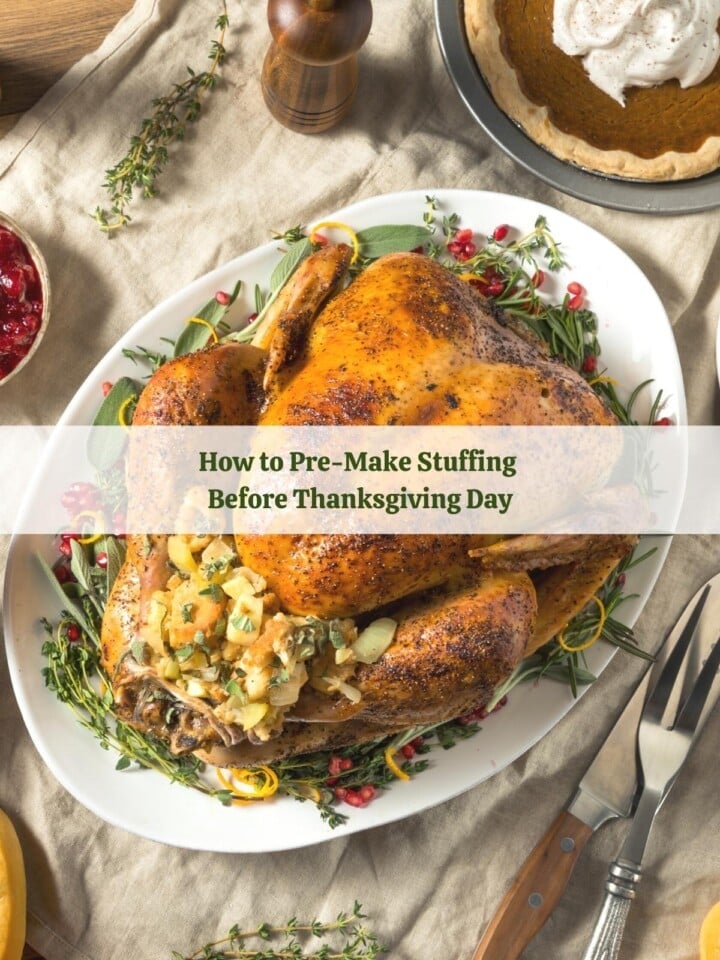
Stale bread can become breadcrumbs, croutons, French toast, bread pudding, or stuffing.
In fact, slightly dry bread is often better for stuffing because it absorbs broth, butter, herbs, and all those wonderful savory flavors without immediately turning to mush.
If you have extra bread heading in that direction, save it for one of my make ahead dressing recipes for Thanksgiving.
Suddenly stale bread does not seem like such a kitchen failure.
So, What Should You Actually Do With Fresh Bread?
For a crusty homemade or bakery loaf you will eat within a few days, keep it at room temperature in something breathable and slice it only as you need it.
For soft sandwich bread, plastic is perfectly reasonable because preserving that soft texture is part of the goal.
And if you already know the loaf is going to sit around longer than you can realistically finish it, freeze part of it right away.
That has probably been the biggest change for me. Instead of waiting until fresh bread is already getting questionable, I decide on day one how much we are likely to eat and freeze the rest.
It takes about a minute and saves me from opening the bread bag three days later only to discover that familiar fuzzy surprise.
Great article with some really good advice. Thanks! We keep the sourdough sliced loaves we buy in the freezer, as you do. I read that it actually helps the “good stuff” in the bread. (I know that’s real scientific terminology there.) I’d love to research more about the waxed cloth bags I’ve seen for sale online, too.
I had not thought about freezing to keep the “good stuff” – As for the bags, I might know a little birdy looking for christmas present ideas if they turn out to be something you would like :)