

When the World Chases Knowledge, Let Your Home Point to Christ
We live in a world overflowing with information. It follows us from our phones to our televisions, from the classroom to the workplace, and into almost every quiet corner of our day. We can search for anything, learn almost anything, and fill our minds before we have even finished our first cup of coffee.
From the time a child is born, we begin teaching, explaining, reading, correcting, guiding, and helping them understand the world around them. Knowledge matters. Learning is a gift.
But if knowledge becomes the goal by itself, we need to pause and ask a better question.
What kind of knowledge are we truly seeking?
When Knowledge Increases
We really do have more information at our fingertips than ever before. We can search a question in seconds, learn from people across the world, watch events unfold in real time, read endlessly, and stay connected from almost anywhere.
But Scripture does not let us stop at being impressed by how much we can know. It gently presses a better question into our hearts:
What are we doing with all this knowledge?

As we look around at how quickly technology is advancing, it is hard not to notice how rapidly knowledge is increasing. Even in areas most of us do not fully understand, like quantum computing, experts say we are moving faster than even they expected. Some even speak of a coming Q Day when current systems could be completely transformed. For those who read Scripture, it naturally brings to mind Daniel 12:4, which says that knowledge would increase in the last days. And when we consider passages in Revelation that describe a future global system tied to commerce and transactions, it gently reminds us that the world is moving toward something much bigger than we can see.
That took me back to the Tower of Babel.
The Tower of Babel and Man’s Desire to Make a Name
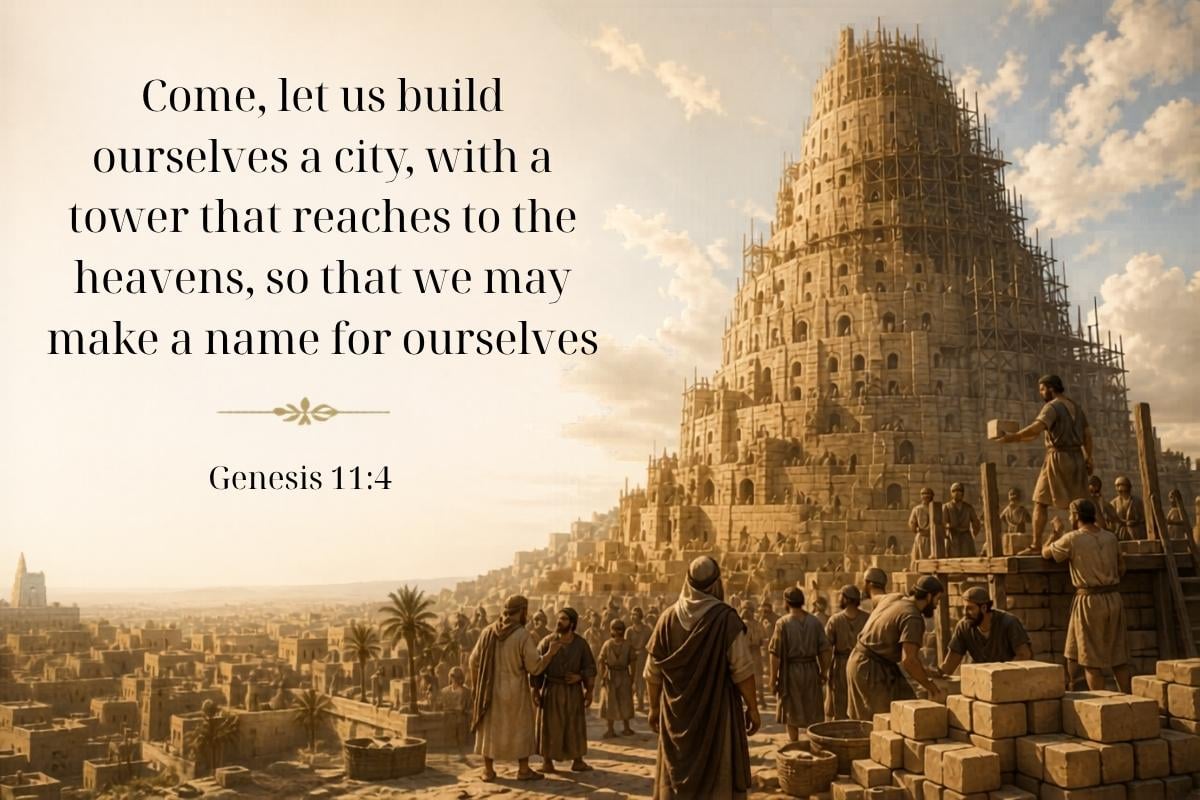
In Genesis 11, the people said, “Come, let us build ourselves a city and a tower with its top in the heavens, and let us make a name for ourselves…”
That is the heart of Babel. People gathered together, but not to worship God. They gathered to build something for their own glory. They wanted to make their own name great.
But God does something so much better.
How The Cross Shows God’s Mercy
At Babel, God confused the language and scattered the people. But then in Acts 2, at Pentecost, we see a beautiful glimpse of God beginning to reverse that division.
Acts 2:6 says, “And at this sound the multitude came together, and they were bewildered, because each one was hearing them speak in his own language.”
From Babel to the Gospel
At Babel, language divided people because of their pride.
But through Christ’s work on the cross, Pentecost became a moment when language helped spread the gospel to many nations.
That is the mercy of God for mankind.
Man tried to climb up to heaven without God. But in Christ, God came down to rescue man.
Babel says, “Let us make our name great.”
The gospel says, “There is no other name under heaven given among men by which we must be saved.”
And one day, God’s plan will be complete.
What knowledge am I seeking?
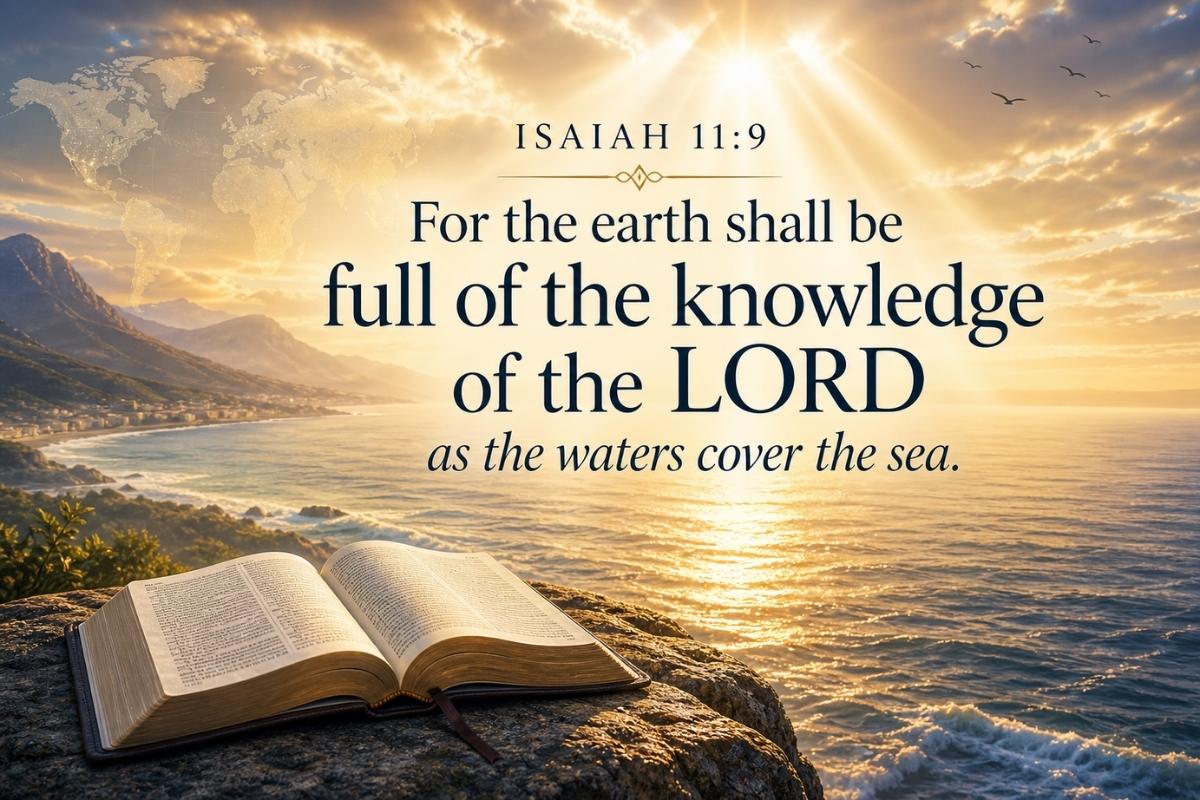
Isaiah 11:9 says, “For the earth shall be full of the knowledge of the LORD as the waters cover the sea.”
That is the kind of knowledge our souls were made for. Not just more information. Not just more facts. Not just more noise. The knowledge of the Lord.
And Revelation gives us the final picture.
A great multitude from every nation, from all tribes and peoples and languages, standing before the throne and before the Lamb.
Isn’t that beautiful?
God does not merely undo the works of man’s heart at Babel. He does something far greater. He gathers a redeemed people from every nation and language, not around human pride, but around the glory of Christ, by building His church.
So maybe this week, as we scroll, read, learn, plan, work, and gather around our tables, we can quietly remember:
Because knowledge by itself can still become Babel.
But knowledge surrendered to God becomes worship.
And one day, the whole earth will be filled with the knowledge of the Lord as the waters cover the sea.
Let Your Home Point to True Knowledge
Until that day, let’s use what God has already placed in our hands.
Not just our phones, books, work, and words, but our homes too.
Our kitchens.
Our tables.
The ordinary places where people sit down, slow down, and feel cared for.
Biblical hospitality gives us a simple way to take the knowledge of the Lord and let it become visible love.
We do not have to impress anyone or make our homes perfect. We can open the door, pull up another chair, serve what we have, and create space for conversations that point people back to Jesus. When the table feels quiet at first, Tips For Hosting A Dinner Party: What Are Good Conversation Starters? helps guests feel included and comfortable in the conversation.
So this week, ask the Lord to use your home for His glory, not your own name. Let your table become a place of welcome, truth, prayer, laughter, and gospel-shaped love.
Because knowledge surrendered to God does not stay tucked away in our minds. It shows up in how we love people, how we welcome them in, and how we gently point them to Christ, our true source of wisdom and life.
Just now got around to reading this. What a great message I have been following your recipes for a while and now look forward to your food for the soul.
Joe, thank you for taking the time to tell me. You are an encouragement to me.