


Quesadillas fritas are crispy, golden masa pockets filled with melty cheese and fried in hot oil until the outside is deep brown and the inside is gooey and stretchy. The dough is made from scratch with just masa harina, warm water, and salt, and the whole thing is on the table in about 40 minutes. Great for a weeknight dinner, a snack, or a Mexican-themed game night when you want something that feels a little special without a lot of fuss.

When my kids were teenagers, they went through a season of wanting to learn how to make authentic Mexican food from scratch. We started with fresh tortilla dough, rolling it out, and cooking it on the griddle for tacos. But once they got the hang of the dough, they started experimenting. Somebody figured out that if you filled those little rounds with cheese and dropped them in hot oil, they puffed up golden and the cheese got all melty inside. They’d make a whole batch, and I’d set out the toppings, and we’d stand around the kitchen eating them straight off the paper towels. That’s still the best way to eat them, honestly.
Main Ingredients
Here’s a quick overview of the key ingredients for this recipe. For the full list of ingredients and exact measurements, jump to the recipe card.

Ingredients Needed for the Best Fried Quesadillas
- Masa harina: This is the base of the dough. Look for Maseca brand, it’s instant masa harina made from corn, usually in the Latin foods aisle at most grocery stores. Don’t substitute cornmeal or corn flour here; they’re not the same thing, and the dough won’t come together correctly. Worth keeping in your pantry if you make any Mexican food from scratch.
- Shredded cheese: I use a blend of mozzarella, Monterey Jack, and cheddar. The mozzarella melts smoothly, the Monterey Jack adds creaminess, and the cheddar brings a little sharpness. Pre-shredded works fine, but if you have a few extra minutes, shredding your own melts a little smoother since bag shreds have a light coating to prevent clumping.
- Warm water: Not hot, not cold; somewhere around bathwater temperature. Cold water doesn’t hydrate the masa harina the same way, and you’ll end up with a dough that cracks when you try to shape it. If the dough still feels dry after mixing, add water a tablespoon at a time until it’s soft and smooth.
- Vegetable oil: Use something with a high smoke point; canola, avocado oil, or sunflower oil all work well. Use enough to come about an inch up the side of your skillet so the quesadillas fry evenly without touching the bottom of the pan.
- Salt: Just a small amount in the dough itself. The cheese carries most of the flavor, so you don’t need much.
How To Make Quesadillas Fritas
This recipe has a few simple steps, and once you’ve done it once, you’ll have it down. Here’s how it goes from start to finish.


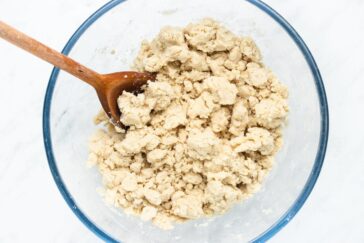
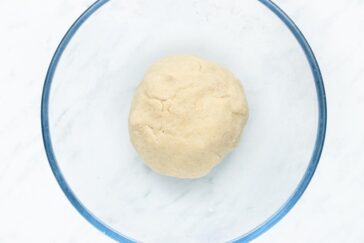
Steps 1 and 2: In a large mixing bowl, combine 2 cups of masa harina, 1/3 teaspoon of salt, and 1 1/3 cups of warm water. Stir until the mixture starts to come together, then use your hands to knead it into a smooth ball.
It should feel soft but not sticky, similar to soft play-dough. If it’s cracking or crumbly, add a splash more warm water and knead again. Once it’s smooth, let it rest for 5 to 10 minutes. Resting gives the masa harina time to fully hydrate and makes the dough much easier to shape.
Tip: Cover your dough ball with a clean kitchen towel while it rests so it doesn’t dry out on the surface.


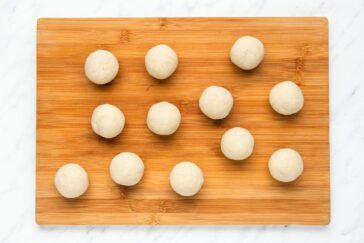
Steps 3 and 4: Divide the dough into 12 equal portions and roll each one into a ball. Keep them covered with the towel as you work.
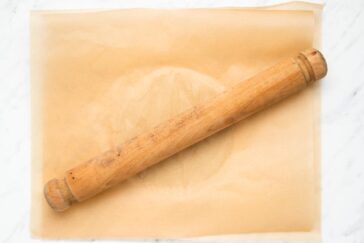
Place each ball between two sheets of parchment paper and press it flat using a plate, the bottom of a heavy saucepan, or a wood rolling pin. You’re aiming for a circle about 6 to 7 inches wide and fairly thin and even. If edges crack while pressing, just pinch them back together.

Steps 5 and 6: Spoon 1 to 2 tablespoons of shredded cheese onto one half of each dough circle, leaving a small border around the edge. Fold the empty half over the cheese to form a half-moon shape and press the edges firmly together with your fingers or the tines of a fork. If the edge is cracking and not sealing, dip your finger in water and run it along the edge before pressing again.
In a cast iron skillet, heat about 1 inch of vegetable oil over medium-high heat. To test whether the oil is ready, drop in a small piece of dough. If it sizzles immediately and floats, you’re good to go. If it sinks and sits quietly, the oil isn’t hot enough yet. Fry the quesadillas in batches of 2 to 3 at a time for about 3 minutes per side, or until they’re deep golden brown and crisp. Crowding the pan drops the oil temperature fast, and you’ll end up with greasy quesadillas instead of crispy ones.
Transfer the finished quesadillas to a paper towel-lined plate to drain.
Tip: Resist the urge to move them around while they’re frying. Let them sit undisturbed until it’s time to flip, and you’ll get a much more even, golden crust.

Step 7: Serve hot with sour cream, Mexican restaurant style salsa, pickled jalapeños, diced avocado, or whatever toppings your family reaches for. These are best fresh out of the pan, the crust is at its crispiest right away.
What is the difference between quesadillas fritas and regular quesadillas?
The main difference is the dough and the cooking method. Regular quesadillas use store-bought flour or corn tortillas cooked on a dry griddle. Quesadillas fritas are made from fresh masa dough that gets fried in oil, giving them a crispier, heartier shell with a thicker texture and a richer corn flavor.
Can I use flour tortillas instead of masa dough?
Flour tortillas don’t hold up well for frying. They absorb too much oil and lose their shape. The from-scratch masa dough is what gives quesadillas fritas that sturdy, crispy crust, so it’s worth making it from scratch when you can.
How do I keep the cheese from leaking out when frying?
Stick to 1 to 2 tablespoons of cheese per quesadilla and leave a small border around the edge before you fold. Press the edges firmly together with your fingers or a fork, and if the dough is cracking instead of sealing, run a wet fingertip along the edge before pressing again.
Variations and Substitutions for This Crispy Quesadilla Recipe
The basic cheese version is really the place to start, especially if you’re making these for the first time. But once you’ve got the dough down, these fried quesadillas are easy to customize. My kids used to add a spoonful of Chipotle-style black beans along with the cheese, which fills them out a little more and makes them heartier for dinner. Cooked and seasoned ground beef taco meat or shredded chicken both work well inside, too. Just make sure whatever you’re adding is already cooked and not too wet, or you’ll have trouble sealing the edges. A pinch of cumin or chili flakes stirred into the cheese before filling gives the inside a little extra warmth without being overpowering.
Make Ahead Tips
This recipe is easy to get ahead of. Shape all your dough balls and press them flat, then stack them between sheets of parchment paper on a tray, cover tightly with plastic wrap, and refrigerate for up to a day ahead. Pull them out about 20 minutes before frying, so they come closer to room temperature. Cold dough in hot oil browns the outside too fast before the inside warms through.
Once they’re fried and cooled, store any leftovers in an airtight container lined with paper towels to absorb the extra oil. They’ll keep in the refrigerator for up to 3 days. To reheat from the fridge, warm them in a dry skillet over medium heat for a few minutes per side. They’ll crisp right back up. You can also reheat them in a 375°F oven for 10 to 15 minutes, especially if you’re warming up a bigger batch.
To freeze, wrap each quesadilla individually in foil and place them all in a zip-top freezer bag. They’ll keep well for up to 3 months. When you’re ready to eat them, let them thaw overnight in the refrigerator, then reheat uncovered on a wire rack set over a baking sheet in the oven. The rack keeps air circulating underneath, so they crisp up all the way around instead of getting soggy on the bottom.


Quesadillas Fritas
Ingredients
- 2 cups masa harina, instant, such as Maseca brand
- 1 ⅓ cups water, warm
- ⅓ teaspoon salt
- 1 ½ cups shredded cheese, mozzarella, Monterey Jack, and cheddar blend
- Vegetable oil, for frying, (canola, avocado oil, or sunflower oil)
Instructions
Make the Dough
- Combine the masa harina, salt, and warm water in a large mixing bowl.

- Mix until the ingredients come together, then knead with your hands into a smooth, soft ball. The dough should feel like soft play dough — not sticky, not crumbly.
- If the dough is cracking, add warm water a tablespoon at a time and knead until smooth. If it is sticking to your hands, dust your palms with a little masa harina.
- Let the dough rest for 5 to 10 minutes covered with a clean kitchen towel.
Shape the Quesadillas
- Divide the dough into 12 equal portions and roll each into a ball.
- Keep the balls covered with the towel as you work.
- Place each ball between two sheets of parchment paper and press flat into a circle about 6 to 7 inches wide using a rolling pin, plate, or the bottom of a heavy saucepan.
- Spoon shredded cheese onto one half of each circle, leaving a small border around the edge.
- Fold the dough over the cheese to form a half-moon shape and press the edges firmly together with your fingers or a fork. If the edge is cracking, moisten it with a little water before pressing.
Fry the Quesadillas
- Pour vegetable oil into a large skillet to about 1 inch deep and heat over medium-high heat.
- Test the oil by dropping in a small piece of dough. If it sizzles immediately and floats, the oil is ready.
- Fry the quesadillas in batches of 2 to 3 for about 3 minutes per side, until deep golden brown and crisp. Do not crowd the pan.
- Transfer to a paper towel-lined plate to drain.
Serve
- Serve hot with sour cream, salsa, pickled jalapeños, and diced avocado.
Gina’s Notes and Tips
Make Ahead
Shape and press all dough rounds up to a day ahead. Stack between sheets of parchment paper on a tray, cover tightly with plastic wrap, and refrigerate. Pull out about 20 minutes before frying to come closer to room temperature. Fry fresh when ready to serve.Storage
Store cooled leftovers in an airtight container lined with paper towels to absorb excess oil. Keep in the refrigerator for up to 3 days.Reheating
From the fridge: warm in a dry skillet over medium heat for a few minutes per side until crispy again. Or reheat in a 375 degree oven for 10 to 15 minutes.Freezing
Wrap each quesadilla individually in foil and place in a zip-top freezer bag. Freeze for up to 3 months. Thaw overnight in the refrigerator. Reheat uncovered on a wire rack set over a baking sheet in the oven for best texture. Tips Let the dough rest 5 to 10 minutes before shaping — this helps the masa harina fully hydrate and makes the dough easier to work with. Keep the cheese filling to 1 to 2 tablespoons per quesadilla. Overfilling causes the edges to leak during frying. Do not move the quesadillas while frying. Let them sit undisturbed until it is time to flip for the best crust.Tried this recipe?
Please consider Leaving a Review!Hospitality with Quesadillas Fritas
If you’ve got a house full of teenagers, this is your recipe. Invite a group over for a game night and set up a little quesadillas fritas frying station — make the dough ahead of time, heat the oil once everyone arrives, and let the smell of something hot and crispy do the welcoming for you. Set out a spread of toppings: Mexican restaurant-style salsa, green tomato salsa verde, spicy pico de gallo, sour cream, pickled jalapeños, and diced avocado, and let everyone build their own plate. Teenagers eat more than you think, and they love food that feels fun and interactive, so this kind of setup keeps everybody happy without you spending the whole evening in the kitchen. A home full of teenagers is a good sign. It means they feel comfortable enough to come back, and that’s hospitality doing exactly what it’s supposed to do. Open your door, feed them something good, and trust that God can use an ordinary Friday night for something that matters.